
How to Make a Body Measurement Tracking Schedule
Create a repeatable schedule for waist, chest, arms, hips, thighs, and other measurements without measuring too often.
Short answer
Choose a small set of measurements, take them at a repeatable interval under similar conditions, and use the same tape placement each time. Weekly, biweekly, or monthly can all work. Consistency matters more than choosing one universal schedule.
The longer answer
A useful schedule is frequent enough to maintain the habit but spaced far enough apart that small technique differences do not dominate the chart. The right interval depends on why you are measuring. Write down the method, use the same units, and review the longer trend instead of reacting to every entry.
Choose an interval you can keep
Weekly measurements suit people who want a regular routine. Biweekly or monthly entries reduce noise and may feel less intrusive.
Avoid changing the schedule just because one reading surprised you. A repeatable process makes entries easier to compare.
Standardize the conditions
Use the same anatomical reference point and similar tape tension. Measure at a similar time of day when practical.
Write a short note about the method if a location is easy to forget. The app can store the number, but it cannot verify where the tape was placed.
Review groups of entries
A chart is most helpful when it shows a sequence. Small changes can come from posture, hydration, tape angle, or ordinary measurement error.
If a measurement is being used for medical care, follow the method and schedule given by the relevant professional.
Using Body Measurement Tracker: Metr
Keep the schedule in Metr
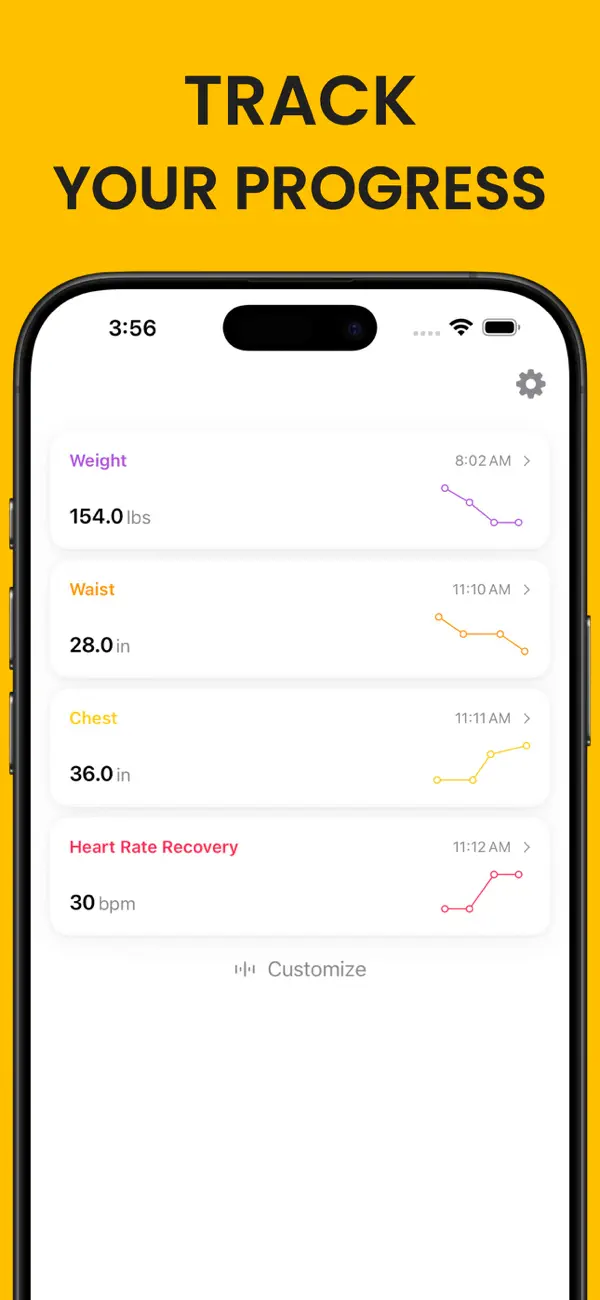
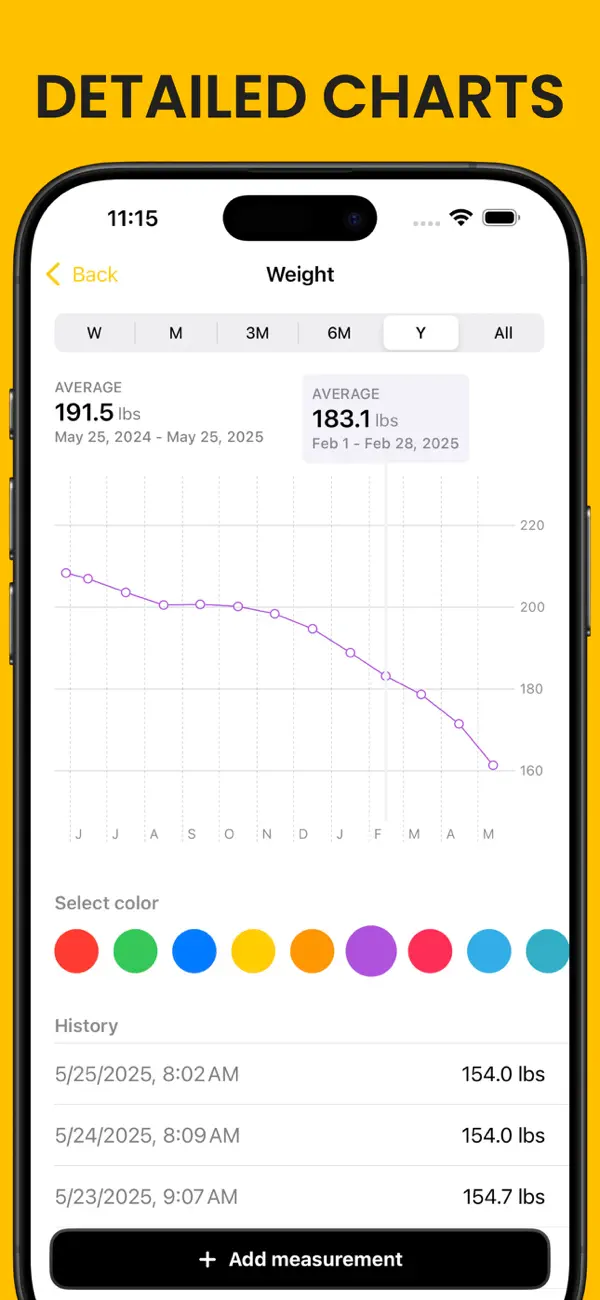
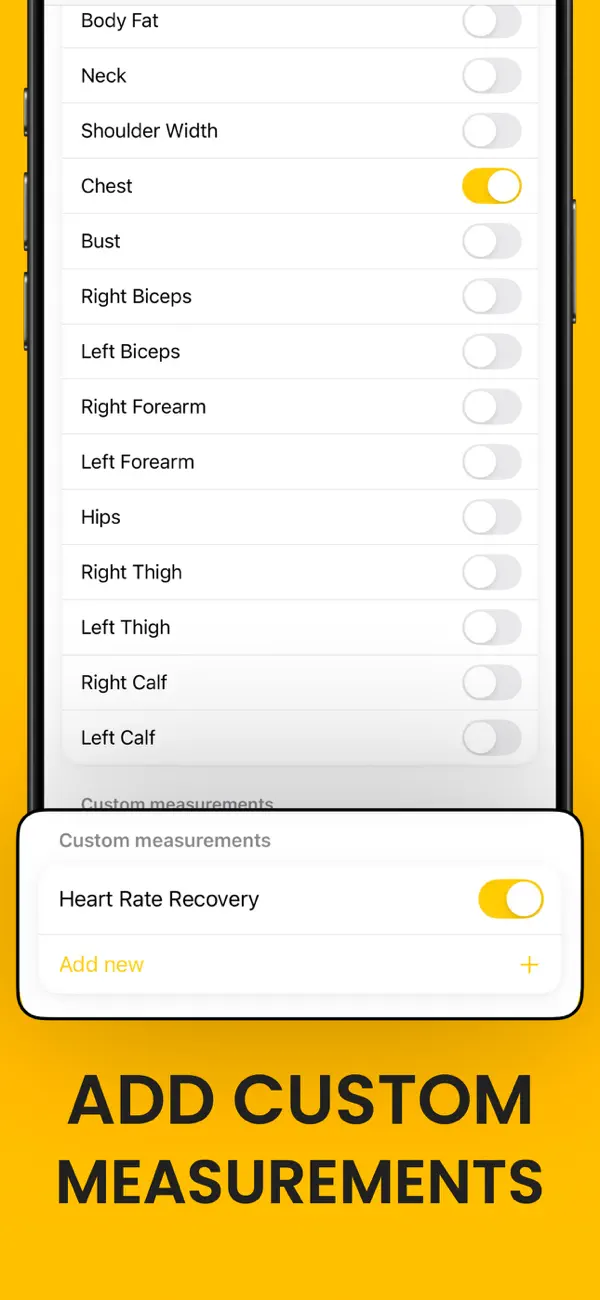
Metr stores built-in and custom measurements, assigns colors, and charts entries over different time ranges. It does not measure your body automatically.
- 14 built-in measurements
- Custom measurements
- Interactive history charts
Choose an interval, record the method, and let the history build.


FAQ
Questions about this topic
Is measuring every day useful?
Daily measuring often adds more technique noise than useful information. A wider interval is usually easier to compare.
Should all body parts use the same schedule?
They can, but you may choose different intervals if each measurement serves a different purpose.
What should I do with an obvious mistake?
Check the method and remeasure once. Keep notes rather than repeatedly measuring until you see a preferred number.
Keep reading
Related posts
Body Measurement Chart vs Scale Weight
Compare what tape measurements and body weight can show, where each can mislead, and how to review them together.
Read post custom body measurements to trackCustom Body Measurements You May Want to Track
Choose useful custom measurements for clothing, training, mobility, or another personal routine without cluttering the dashboard.
Read post export body measurements to CSVHow to Export Body Measurements to CSV
Export a body measurement history to CSV, check the fields, and keep a portable copy for spreadsheets or personal records.
Read post