
When to Stop Caffeine Before Bed
There is no single cutoff for every dose and person. Use your bedtime, the size of the drink, and a study of 400 milligrams taken 6 hours before sleep.
Short answer
Stop at a time that fits your bedtime and the size of the drink, then adjust from how you slept. There is no one clock time for every person. In one study, 400 milligrams of caffeine still disrupted sleep when people took it 6 hours before bed.
The longer answer
A fixed cutoff such as 2 p.m. only works if it matches your bedtime, your dose, and your clearance. A small coffee at breakfast and a large energy drink in the evening do not leave the same amount at 11 p.m. Write down the drink and the time, compare that with when you usually go to sleep, and treat the first cutoff as a trial. If sleep was worse, move the last caffeine earlier or make the serving smaller. An estimate makes that comparison concrete. It still can't tell you how you will sleep.
Write down bedtime, dose, and time
Start with the time you usually get into bed, including the later bedtime you actually keep on some nights. Then note the drink, the serving, and when you finished it. A bedtime estimate is only as complete as that list.
Include sources that do not feel like coffee. Soft drinks, tea, energy drinks, shots, gum, and caffeine supplements all belong in the total if you want the number to mean anything. Group the day around the bedtime it leads into, so a late drink stays with the night it can affect.
Test a cutoff against a known dose
Research gives boundaries, not a personal timetable. Drake and colleagues gave people 400 milligrams of caffeine at bedtime, 3 hours before bed, and 6 hours before bed. Compared with placebo, each timing disturbed sleep. At the 6 hour mark, total sleep time fell by more than an hour in that study.
Four hundred milligrams is a large single dose, close to the amount the FDA cites as a full day for most adults. A smaller drink is a different test. Use the study as a reason to respect large, late doses, then check your own servings against your bedtime.
Change one thing and review it
If the night was rough, keep the rest of the routine steady. Move the last caffeinated drink earlier, or repeat the same timing with a smaller serving. Give that single change a few nights before you decide it helped.
If you are pregnant, trying to become pregnant, breastfeeding, or managing a condition or medicine that concerns you, ask a health care provider about limiting caffeine. Use an app cutoff as a planning figure, and have that clinical conversation separately.
Using Caffeine Tracker - Kofe
Check the next serving against your bedtime
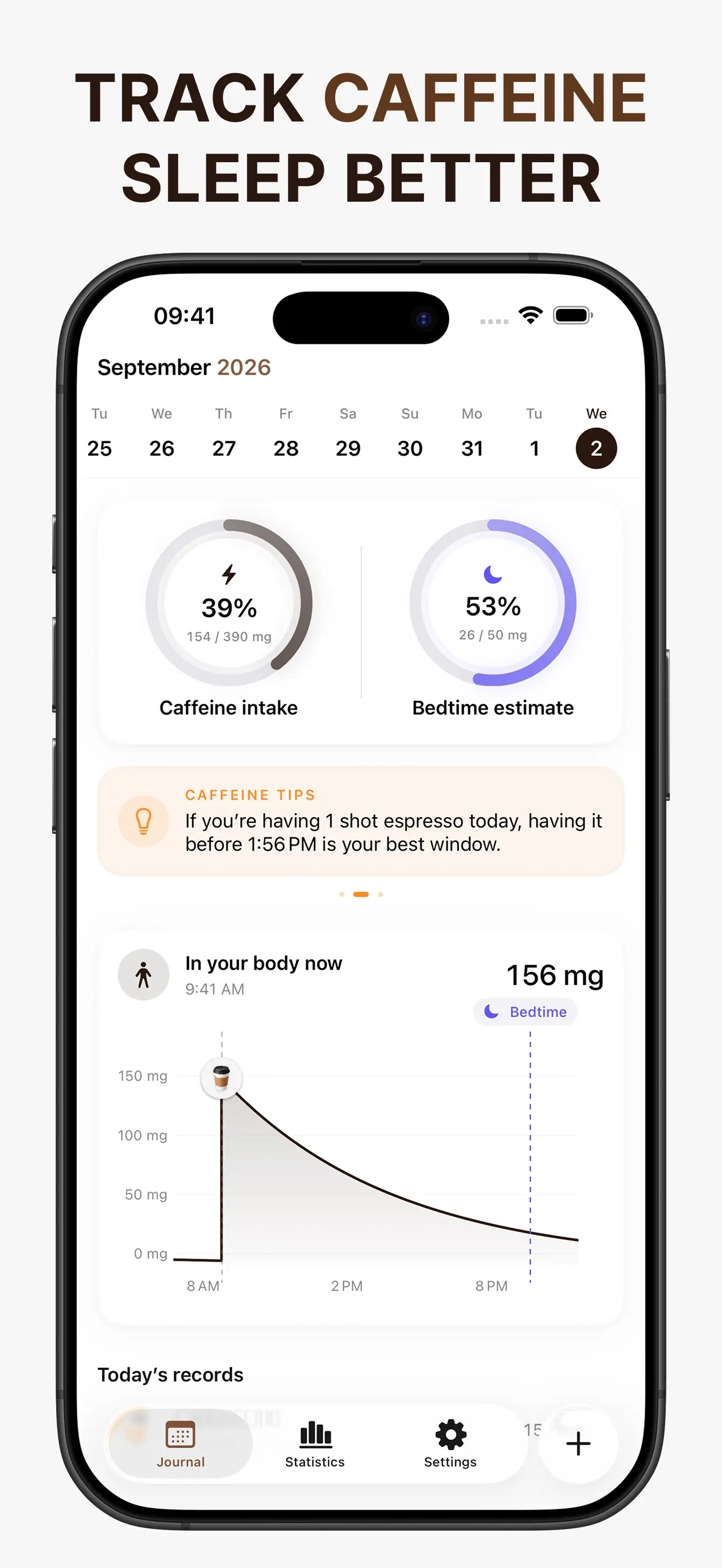
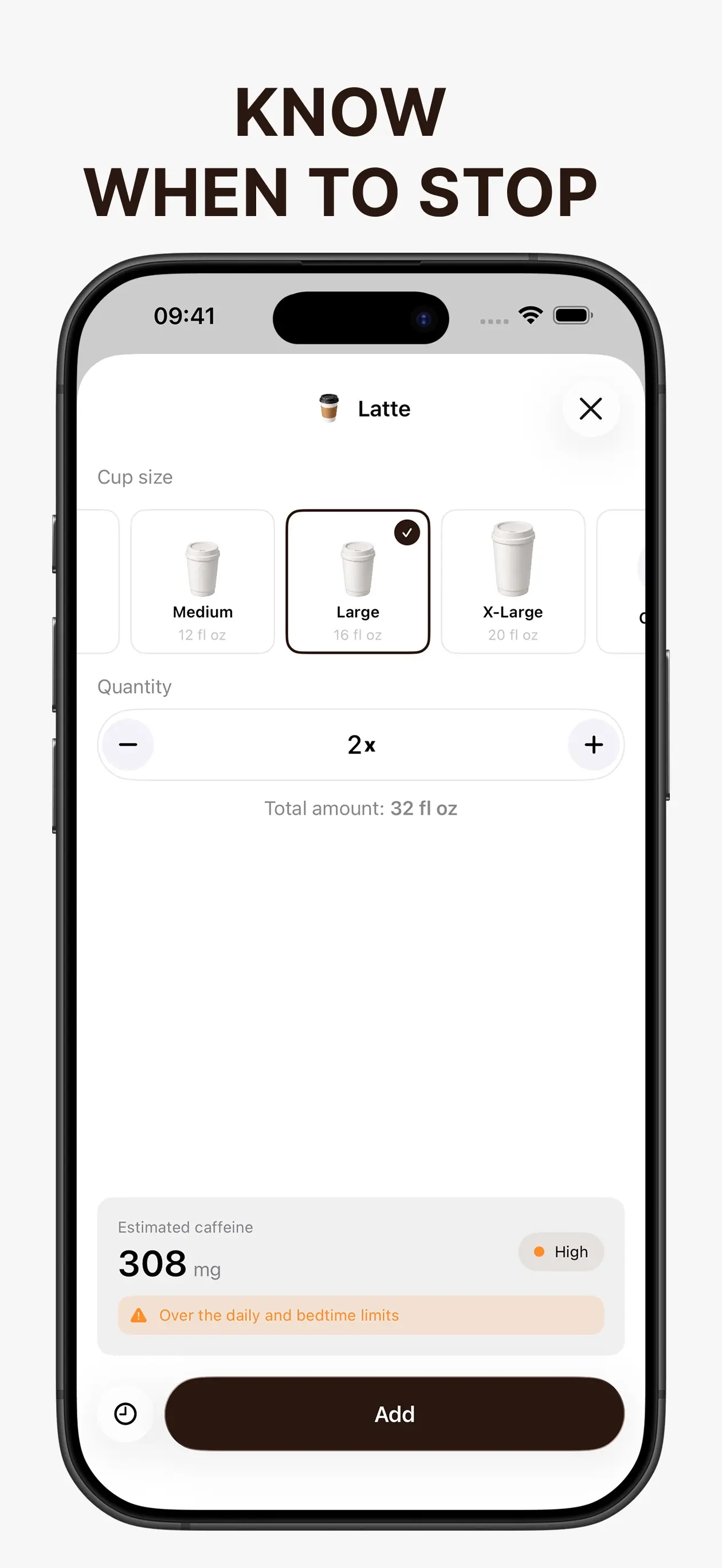
Caffeine Tracker estimates how many milligrams may remain at your usual bedtime and compares that figure with your bedtime target. When another serving of a logged drink fits both that target and your remaining daily allowance, it can show an estimated latest time for that serving.
- Usual bedtime
- Bedtime target you can set
- Cutoff only when the serving fits both targets
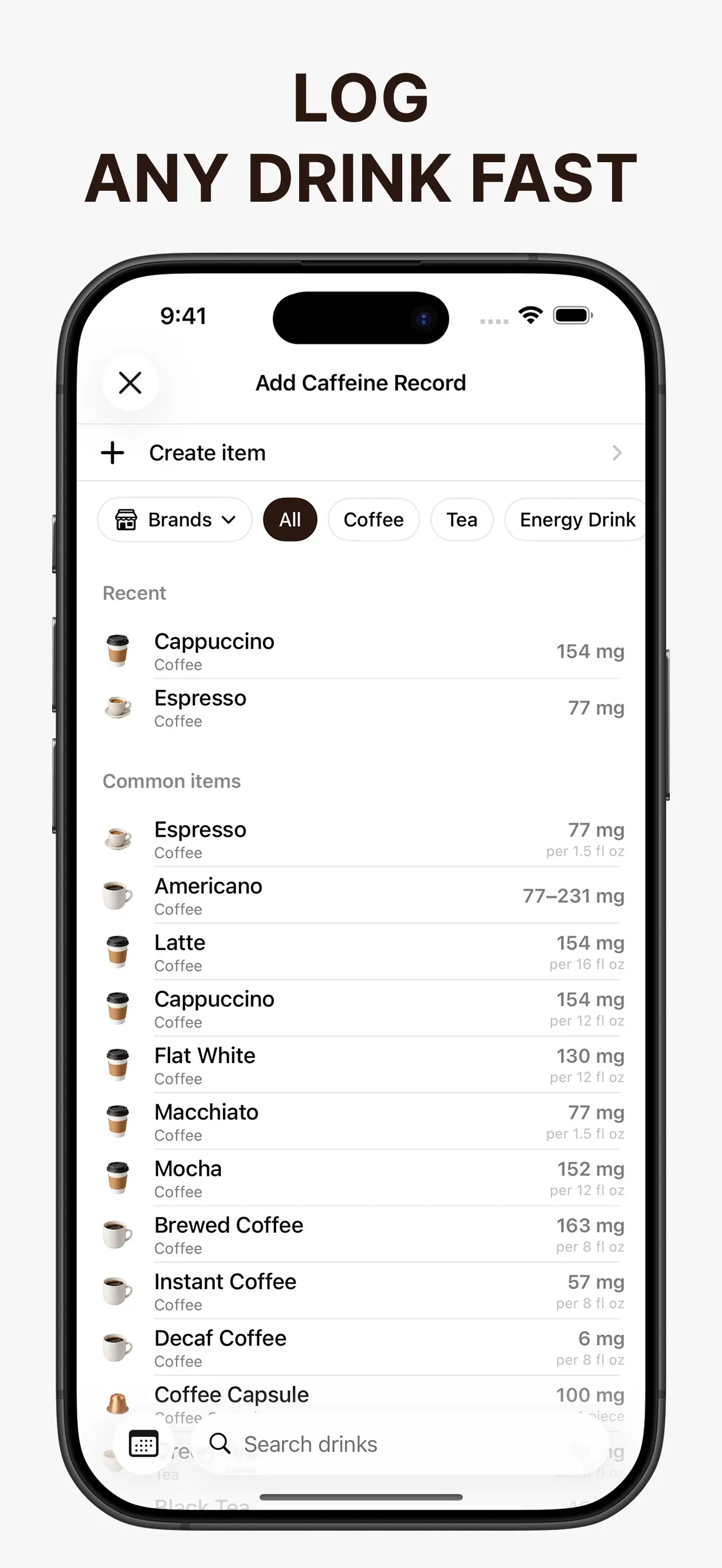
Enter the drinks you have already had, then see whether one more serving still fits.


FAQ
Questions about this topic
Is 6 hours before bed always enough?
No. In the Drake study, 400 milligrams taken 6 hours before bed still reduced sleep. Smaller amounts need their own check against your bedtime.
Should the cutoff move when bedtime moves?
Yes. Use the bedtime you expect that night. A later bedtime gives earlier drinks more time to clear.
What if I already had caffeine this afternoon?
Log it at the time you had it, then look at the bedtime estimate before you add another serving.
Sources and further reading
Keep reading
Related posts
What Caffeine Half-Life Means
Caffeine half-life is the time it takes to clear about half of a dose. In healthy adults the average is about 5 hours, with a range of roughly 1.5 to 9.5 hours.
Read post daily caffeine limit vs caffeine at bedtimeDaily Caffeine Limit vs Caffeine Left at Bedtime
A 400 milligram daily figure and the caffeine still present at bedtime answer different questions. You can stay under the daily total and still drink late.
Read post